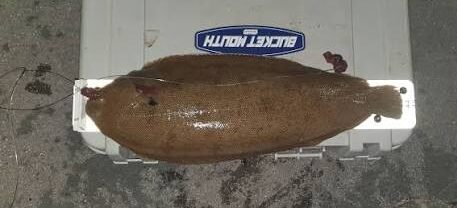
Catching Sole in Morecambe Bay: Venues, Baits, and Rigs
Welcome back to the Gerry’s Fishing blog! As the summer months roll in, our local waters start to warm up, and that means one thing for dedicated flatfish hunters—the arrival of Dover Sole. Catching sole in and around Morecambe Bay can be some of the most rewarding shore fishing you will do all year. They fight well for their size on light gear, and they are arguably the best-eating fish you can pull from our local coastline.
Today, we are going to dive into the best venues, the top baits, and the exact rigs and tackle you need to maximize your success when targeting sole around the Bay.
Top Venues for Sole in the Bay
Sole are bottom-feeders with tiny mouths, and they love rooting around in soft mud and sand for worms and small invertebrates. Morecambe Bay’s vast expanses of shifting sands and muddy estuaries provide the absolute perfect habitat.
1. Low Water, High Up in Morecambe Bay
Fishing the low water marks high up in the bay (around areas like Hest Bank or Greenodd) can be incredibly productive for sole. As the tide recedes, sole drop back into the deeper gullies and channels. If you can locate a muddy channel or a depression in the sand banks during low water, cast your bait directly into it. Sole are nocturnal feeders by nature, so fishing these low water gullies at night or first light will drastically increase your catch rate.
2. Lune Estuary near Sunderland Point
The River Lune estuary, particularly down near Sunderland Point, is a fantastic mark for flatfish. The mix of fresh and saltwater creates a nutrient-rich environment that holds massive amounts of natural bait. When fishing Sunderland Point, focus on the edges of the main tidal flow. Sole don’t like fighting raging currents, so look for the softer mudbanks and slacks just off the main channel.
3. Around Heysham Village
Heysham offers a couple of superb marks for sole. The sandy stretches around Half Moon Bay are classic flatfish territory, especially when there is a slight surf running to stir up the bottom. Alternatively, fishing off the Heysham North Wall into the channel can produce good flatfish on a flooding tide. The key here is not to cast to the horizon; many sole are caught just 30 to 50 yards out, right where the sand meets the mud.
Best Baits: Ragworm and Blow Lug
When it comes to sole fishing, your bait presentation needs to be immaculate. Sole track their food by scent and have very small mouths, so large, bulky baits will result in missed bites.
For Morecambe Bay, Ragworm and Blow Lug are undoubtedly the top choices.
Blow Lug: A fantastic, juicy bait that leaks an irresistible scent trail into the muddy water. Thread a single blow lug up the hook, ensuring the point is fully exposed.
Ragworm: The wriggling action of a small to medium ragworm is perfect for catching a sole’s attention.
Pro Tip: Never use massive king ragworm for sole. Cut them down into 2-inch sections, or use small maddies if you can get them. You want the fish to inhale the bait in one go.
Best Rigs and Tackle at Gerry’s Fishing
At Gerry’s Fishing, we stock everything you need to build the ultimate sole setup. A 2-hook flapper rig is the absolute gold standard for sole, allowing you to present two different baits hard on the seabed.
Here are the top products we recommend (available in-store and online at gerrysfishing.com) to get you catching.
Tronixpro Flattie Flapper Rig
The Tronixpro Flattie Flapper is a pre-tied, ready-to-go rig designed specifically for flatfish. It keeps your snoods away from the rig body, reducing tangles in the tidal flow. The hooks are kept tight to the seabed where the sole are feeding.
Specifications
Rig Body: 60lb Clear Mono
Snoods: 20lb Clear Mono
Hook Pattern: Aberdeen
Hook Sizes: Size 2 or 4
Rig Type: 2 Hook Flapper
Pro tip: Add a few small luminous or brightly colored beads just above the hook. Sole are very inquisitive, and a small splash of color fluttering in the tide can draw them straight to your blow lug.
Examples of where to use: Perfect for the shallow, muddy channels at Sunderland Point or short-casting off the beaches at Heysham.
Kamasan B940 Aberdeen Hooks
If you prefer tying your own rigs, the Kamasan B940 is the ultimate hook for the job. The long shank makes threading delicate worm baits incredibly easy and helps with unhooking fish that have swallowed the bait deeply. The fine wire construction ensures excellent bait presentation without killing the natural movement of your ragworm.
Specifications
Material: High Carbon Steel
Finish: Black Nickel
Shank: Long Shank
Point: Chemically Sharpened Needle Point
Recommended Sizes: 4, 6, or 8
Pro tip: Because sole have such small mouths, downsize your hooks to a size 4 or 6. If you are missing bites on a size 4, drop down to a size 6 immediately.
Examples of where to use: Tie these onto a 15lb fluorocarbon snood when fishing the low water gullies high up in Morecambe Bay for ultimate stealth.
Breakaway Flat Pear Rolling Leads
While grip leads are great for strong tides, a rolling lead can be a deadly tactic for sole. A plain flat pear or watch lead will slowly bounce and roll along the seabed with the tide, dragging your baited hooks across a wider area and helping you actively locate feeding fish.
Specifications
Material: Lead
Shape: Flat Pear / Watch
Weight Range: 2oz to 4oz
Attachment: Built-in Brass Swivel
Pro tip: Cast out slightly uptide and let the lead trundle around in an arc. Once it settles, wait a few minutes, then slowly retrieve a few turns of the reel handle to stir up the mud.
Examples of where to use: Highly effective over the clean, flat sandy marks around Half Moon Bay.
Frequently Asked Questions (FAQs)
Q: What is the best state of tide to fish for sole in Morecambe Bay?
A: It depends on the venue. For the high bay marks, low water is excellent as the fish are concentrated in the remaining gullies. For Heysham and Sunderland Point, fishing the first two hours of the flood tide is generally the most productive window.
Q: Do I need a heavy beachcaster to catch sole?
A: Not at all. Because you are often casting less than 50 yards, a lighter continental-style rod or even a heavy carp rod is perfect. This lighter gear allows you to spot the delicate bites of a feeding sole much easier.
Q: Should I fish during the day or at night?
A: While you can catch them during the day (especially if the water is heavily colored), sole are predominantly nocturnal. Fishing over low water in the dark will drastically improve your chances.
Stock up on your fresh ragworm, blow lug, and terminal tackle by visiting us in-store at Gerry’s Fishing, or check out our full range online. Tight lines, and happy sole hunting!