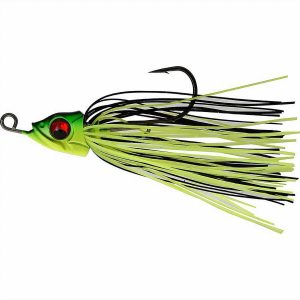
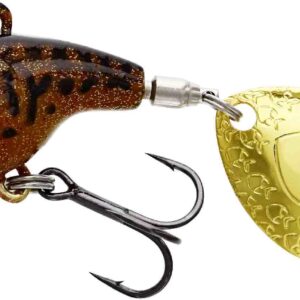
Spinners: The Timeless Lure for Every Predator
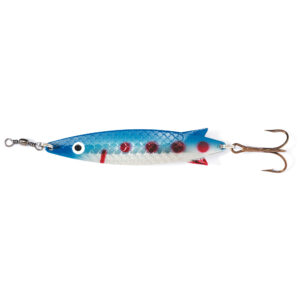
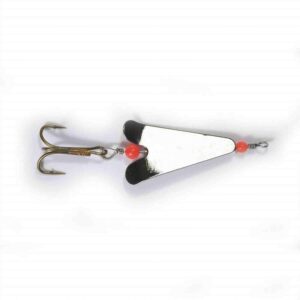
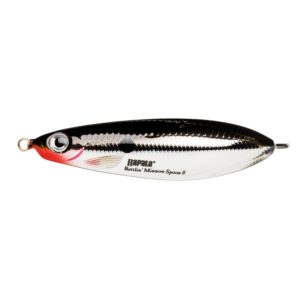
When it comes to lures that have stood the test of time, nothing rivals the effectiveness of a spinner. At Gerry’s Fishing, we’ve seen countless lure trends come and go, but the classic inline spinner remains a permanent fixture in the boxes of the world’s most successful predator anglers. The combination of intense vibration, visual flash, and a silhouette that mimics panicked prey makes it a universal trigger for everything from wild Brown Trout in mountain streams to specimen Pike in deep reservoirs.
Our collection features the legendary craftsmanship of brands like Mepps, Blue Fox, Panther Martin, and Savage Gear. Each spinner in our range is selected for its “startup inertia”—the ability for the blade to begin rotating the second it hits the water—ensuring you are fishing effectively from the moment your lure submerge.
Engineering & Technical Specifications
A high-quality spinner is a masterclass in physics. The balance between the blade’s weight, the clevis (the hinge), and the body weight determines how deep it runs and how much “thump” it sends through the water.
| Component |
Specification Details |
Impact on Performance |
| Blade Types |
Colorado (Round), Indiana (Teardrop), Willow (Long/Slim). |
Colorado creates maximum vibration; Willow offers more flash and less drag for fast water. |
| Blade Material |
Polished Brass, Stainless Steel, or Painted Copper. |
Determines the “flash” profile and the weight/sound resonance underwater. |
| Body Weight |
Solid Brass bells, Zinc alloy, or Lead-free tungsten. |
Dictates casting distance and the running depth of the lure. |
| Clevis/Swivel |
High-precision stirrup or folded clevis. |
Ensures the blade rotates freely at ultra-slow retrieval speeds. |
| Hooks |
Chemically sharpened trebles or VMC singles (Dressed or Plain). |
Dressed hooks (feathers/hair) provide a larger silhouette and “breathing” action. |
Where to Use: Mastering the Water Column
1. Fast-Flowing Rivers (Trout & Grayling)
In moving water, spinners are unrivaled. Using an inline spinner like a Mepps Aglia or a Panther Martin, you can cast “upstream and across.” As the current carries the lure down, the blade spins against the flow, creating a massive disturbance in a small profile. This is often the only way to trigger a reaction from Trout tucked behind boulders or in deep oxygenated runs.
2. Shallow Margins & Weed Beds (Perch & Pike)
Spinners with “Willow” blades are perfect for fishing over the top of submerged weed beds. Because they have less lift than a rounder blade, they can be “burned” (retrieved quickly) just under the surface without breaking the water. The erratic flash often pulls Perch out of thick cover when soft plastics are being ignored.
3. Deep Reservoirs & Lochs (Salmon & Large Predators)
For deeper applications, heavy-bodied spinners like the Blue Fox Vibrax are essential. The internal bell-shaped body emits a low-frequency sound that predators can “hear” with their lateral lines long before they see the lure. This makes them highly effective in “colored” or murky water.
Pro Tip from the Gerry’s Team
The “Startup Snap”: Many anglers make the mistake of just winding the reel as soon as the spinner hits the water. To maximize your catch rate, give your rod tip a sharp “snap” the moment the lure touches down. This mechanical jolt forces the clevis to engage and the blade to start spinning immediately. Without this, a spinner can sometimes “parachute” through the water with a dead blade, missing the vital first few seconds of the retrieve where most strikes occur!
Frequently Asked Questions
Does the color of the blade really matter?
Absolutely. As a rule of thumb at Gerry’s, we recommend Silver for bright, sunny days and clear water (maximum flash). Gold or Copper is the king for overcast days or “peaty” water, as it provides a warmer, more visible silhouette. For very muddy water, “Fluoro” or painted blades provide the visual contrast needed for a strike.
Why is my line twisting when I use spinners?
Because the blade is constantly rotating, it creates torque. If you don’t use a high-quality Ball Bearing Swivel, that torque travels up your line, leading to “bird’s nests” on your reel. We always recommend placing a small swivel at least 12 inches above the lure or using a spinner with an “anti-kink” offset body.
Can I swap the treble hooks for singles?
Yes, and for many catch-and-release venues, it’s a requirement. We stock a range of “Open Eye” single hooks that can be easily crimped onto the lure’s wire frame. Single hooks often provide a more secure “hold” in the bony mouths of Pike and Perch and make unhooking significantly faster and safer for the fish.
What is the “Dressed Hook” benefit?
The feathers or squirrel hair on a dressed hook serve two purposes: they act as a “trailer” that adds a pulsing movement to the lure, and they hide the glint of the steel hooks. On pressurized waters where fish are “lure shy,” a dressed hook often provides the natural look needed to fool a wary predator.
Why Buy Spinners from Gerry’s Fishing?
We’ve been testing spinners on the rivers and lakes of the North West for decades. We know which lures “track straight” and which ones fail after a single fish. Every spinner in our catalog is built to last, featuring high-quality wire that won’t easily bend and blades that won’t tarnish after one session. Whether you’re chasing a personal best Perch or heading to the Highlands for Salmon, Gerry’s has the spinning arsenal to ensure you’re never fishing “blind.”