

The Autumn Cod Run: Timing the Arrival
The first autumn cod run represents one of the most anticipated events on the British sea fishing calendar. As sea temperatures begin to cool following the late-summer peak, cod move inshore from deeper offshore waters, following dense shoals of whiting, herring, and squid into the surf. This seasonal migration typically kicks off following the first heavy autumnal gales and prolonged onshore northerly blows, which churn up the seabed and wash rich food supplies directly into the breakers. Understanding this coastal transition is vital; fish that were previously holding off the marks in deep water suddenly push tight to the shoreline to feed aggressively before the true cold of winter sets in.
Why Certain Venues Fish Well in Autumn
Not all marks are created equal when the autumn cod arrive, and choosing the right venue dictates your success.
- Deep-Water Marks: Deep-water rock marks, piers, and heavy ground kelp beds offer immediate sanctuary and abundant natural food. These areas allow big fish to hunt close in without exposing themselves to shallow, overly clear surf.
- Heavy Surf Beaches: Long, rolling surf beaches with a clean sand-to-shingle drop-off fish exceptionally well during heavy seas. The crashing waves scour the seabed, unearthing buried razor clams, lugworms, and crabs.
- Tidal Rips and Estuaries: Areas featuring strong tidal funnels, rips, and deep channels act as natural highways for migrating cod shoals, concentrating feeding fish as they push up-current with the flood tide.
What to Look For: Reading the Water and Conditions
Pinpointing the exact swim on a chosen mark requires evaluating sea state, weather patterns, and underwater topography.
- Water Clarity: Look for colored, whipped-up water. A heavy chocolate-brown or milky-green sea provides the cover cod need to feed confidently in daylight hours.
- Wind Direction: A sustained onshore blow (specifically from the north, northeast, or east) pushes food chains toward the beach and creates the turbulent surf line that cod love to patrol.
- Feature Identification: Look for distinct breaks in the surf, deep gutters running parallel to the shore, or transitions where sand meets rough ground. These spots act as natural holding areas where fish wait to ambush dislodged food items.
Essential Autumn Cod Rigs
Targeting hard-fighting cod over rough ground or heavy surf requires robust, reliable terminal tackle that won’t let you down when a double-figure fish is thrashing in the breakers.
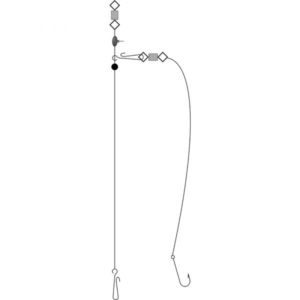
- The Pulley Rig: The absolute gold standard for rough ground and mixed mixed-seabed venues. Designed with a rotten-bottom lead link, it ensures that if your sinker snags in the kelp or rocks during the retrieve, it frees your hook length and your fish.
- The Up-and-Over Rig: Perfect for clean-to-mixed sandy beaches and surf marks. It streamlines your bait during the cast to maximize distance and positions your hook neatly behind the clipped-down lead until impact.
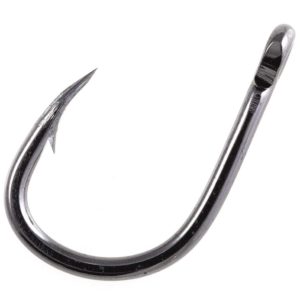
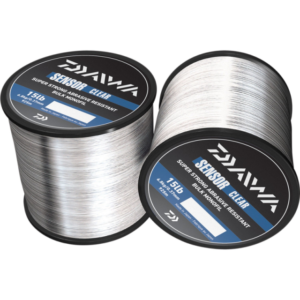
- Component Specifications: Tie your rigs using heavy-duty 60lb to 80lb clear amnion or fluorocarbon body lines, paired with high-tensile rolling swivels and size 2/0 to 6/0 chemically sharpened Aberdeen or circle hooks depending on your target stamp of fish.
Top Baits for Early-Season Cod
Cod are aggressive, opportunistic predators with a powerful sense of smell, requiring large, meaty bait presentations that release maximum scent plumes into turbulent water.
- Black Lug and Squid Cocktails: A classic combination. A large, well-wrapped bundle of fresh black lugworm tipped with a juicy strip of squid or bluey creates an irresistible visual and olfactory package.
- Peeler Crab: Arguably the ultimate early-season bait. As water temperatures drop, crabs undergo mass moulting; whole or halved peeler crabs fastened securely with bait elastic are deadly for specimen fish.
- Pro Tip: Always build your baits generously, binding them tightly with elastic thread to withstand the immense centrifugal force of a power cast into an onshore headwind.
Frequently Asked Questions
- When does the first autumn cod run typically start? It usually triggers between September and October, heavily dependent on the first major North Sea or Atlantic gales dropping sea temperatures.
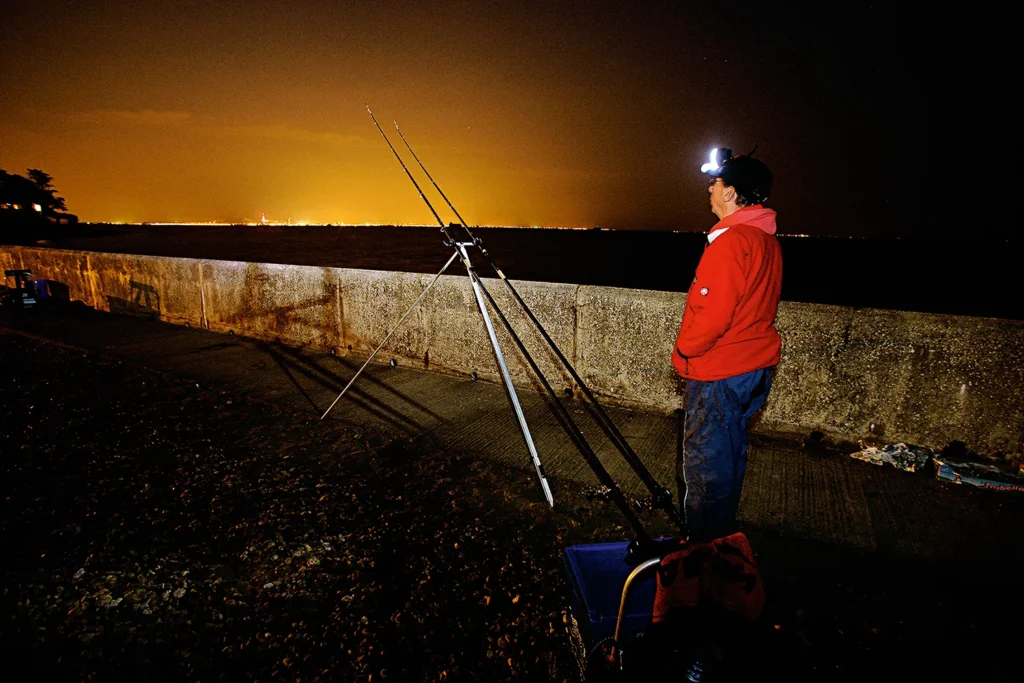
- Is day or night fishing better for early cod? While colored water allows daytime catches, dusk, dawn, and the hours of darkness always offer the highest confidence for larger fish feeding close to shore.
- Should I use circle hooks or traditional Aberdeens? Circle hooks are fantastic for self-hooking fish in heavy surf and reduce deep hooking, whereas long-shank Aberdeens accommodate massive multi-worm wraps easily.
- How do I prevent my leads from snagging in heavy kelp? Always incorporate a weak-link breakaway system with sacrificial lighter Amnion line on your lead sinker to ensure you can retrieve your rig safely.
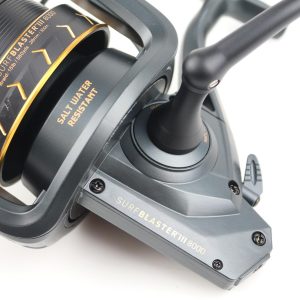
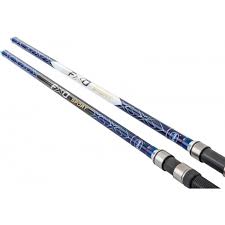
- What is the ideal rod rating for autumn cod fishing? A powerful beachcaster rated between 4oz and 8oz with a protective multiplier or fixed-spool setup is essential for launching heavy baits through gale-force surf.