

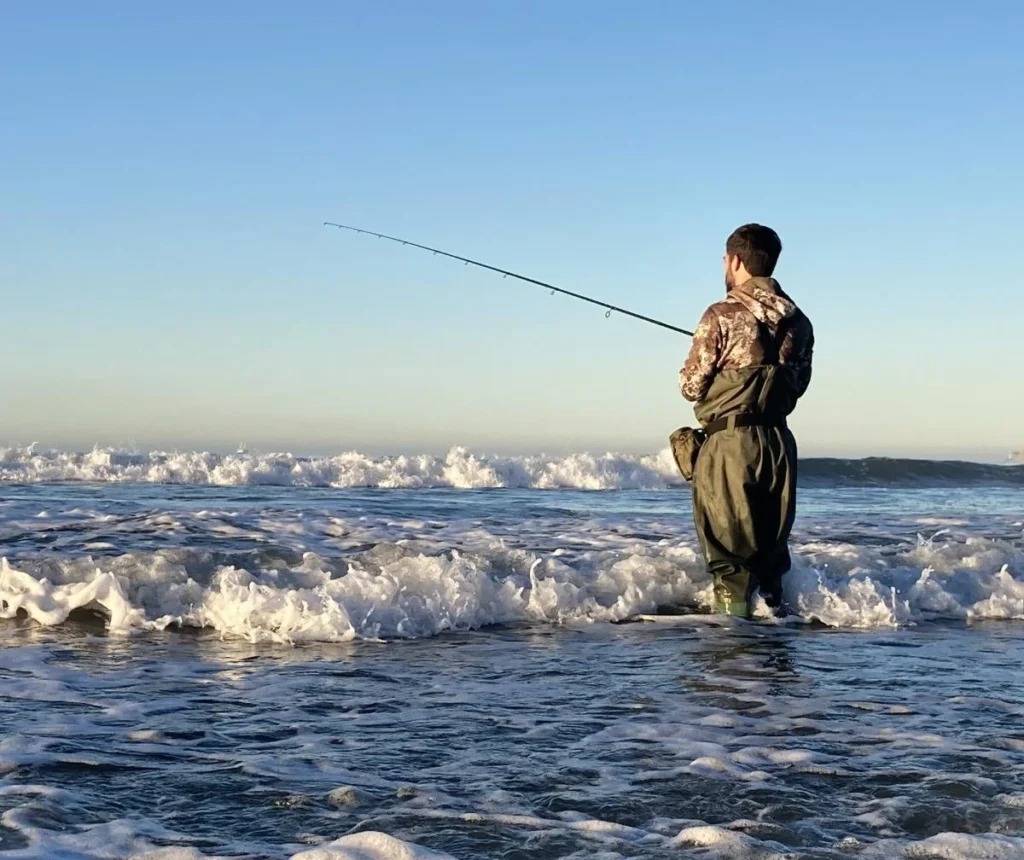
The Ultimate Fishing Waders Buying Guide: Finding Your Perfect Fit
At Gerry’s Fishing, we know that a good pair of waders is just as important as your rod, reel, or terminal tackle. Whether you are trekking across the rugged rock marks of the North West, wading into the surf on a cold winter night, or stalking carp in a weedy margin, your comfort and safety depend entirely on your choice of footwear.
Choosing the right waders can be a daunting task. With a vast array of materials, boot types, and styles available, it’s easy to feel overwhelmed. This guide is designed to break down everything you need to know, helping you navigate our extensive wader collection to find the perfect pair for your specific style of angling.
1. PVC Waders: The Rugged Workhorses
For many sea anglers, PVC (Polyvinyl Chloride) waders are the gold standard. Often referred to as “heavy-duty” waders, these are constructed from a robust, plastic-coated fabric that is entirely waterproof and incredibly resistant to abrasion.
Why Choose PVC?
The primary advantage of PVC is durability. If your fishing takes you to harsh environments, PVC is likely your best bet.
Rock Fishing: If you spend your time scrambling over barnacle-encrusted rocks or jagged slate, PVC can handle the scrapes and scuffs that would shred a breathable wader in minutes.
Bait Collection: For the dedicated bait digger, PVC is essential. Kneeling in the mud, sand, and grit while digging for lugworm or pumping for maddies requires a material that won’t puncture easily. PVC’s slick surface also makes it much easier to wash down after a messy session in the mud.
Affordability: PVC waders are generally the most budget-friendly option, making them an excellent choice for beginners or those who only fish occasionally.
The Trade-off
The downside to PVC is breathability—or the lack thereof. Because the material is non-porous, moisture from sweat cannot escape. On a long walk to a mark, you may find your legs feel damp. This isn’t a leak; it’s simply condensation. If you are doing a lot of active walking, you may want to consider a lighter material.
2. Breathable Waders: The Comfort Kings
Breathable waders have revolutionized the way many people fish, particularly lure anglers and those who cover a lot of ground. Constructed from layered membranes (similar to high-end hiking jackets), these waders allow water vapor (sweat) to escape while preventing water from entering.
The Benefits of Breathability
Unmatched Comfort: Because they move moisture away from the skin, you stay dry and comfortable even during high-activity sessions.
Lure Fishing and Long Treks: If you are a bass angler walking miles of coastline or a fly fisherman hiking up a river, breathable waders are the clear winner. They are significantly lighter than PVC or Neoprene, reducing fatigue.
Summer Fishing: On a warm summer evening, wearing PVC or Neoprene can feel like being in a sauna. Breathable waders keep you cool.
Durability Concerns
It is important to manage expectations: Breathable waders are not as durable as PVC. The membranes are thinner and more susceptible to punctures from thorns, sharp rocks, or stray hooks. If you choose breathables for sea fishing, you must be mindful of where you sit and what you walk through. At Gerry’s, we often recommend pairing breathable waders with a pair of “gravel guards” or choosing reinforced models if you plan to use them in slightly rougher terrain.
3. Neoprene Waders: The Winter Essential
When the temperature drops and the winter cod season begins, Neoprene is the material of choice. Neoprene is a synthetic rubber filled with tiny air bubbles, providing incredible insulation.
Warmth and Buoyancy
Cold Water Insulation: Neoprene typically comes in thicknesses of 3mm, 4mm, or 5mm. For the UK sea angler standing waist-deep in the North Sea in January, a 5mm Neoprene wader is a lifesaver.
Snug Fit: Neoprene is stretchy and fits closer to the body than PVC. This snug fit helps trap a thin layer of air or moisture that your body heat warms up, acting much like a wetsuit.
Carp Fishing: Many carp anglers prefer Neoprene for winter sessions. If you need to hop into the margins to net a fish or take a photo in freezing conditions, Neoprene keeps the chill at bay.
Considerations
Neoprene can be heavy and, like PVC, it doesn’t breathe. It’s also harder to repair if you get a significant tear, though small punctures can be fixed with specialized Neoprene glue.
4. Boot Styles: Bootfoot vs. Stockingfoot
When looking at breathable waders, you will encounter two distinct designs: Bootfoot and Stockingfoot.
Bootfoot Waders
These come with the boots permanently attached to the wader legs.
Pros: Very easy to put on and take off. There’s no need to buy separate boots. Perfect for sea fishing where you want to get geared up quickly at the car.
Cons: They offer less ankle support than a lace-up boot. If the boot develops a leak or the tread wears out, the whole wader is often compromised.
Stockingfoot Waders
These end in a soft Neoprene “sock.” You must wear a separate pair of wading boots over the top.
Pros: This is the preferred choice for fly fishermen and serious lure anglers. Separate wading boots provide excellent ankle support, which is vital when walking on uneven riverbeds or slippery coastal rocks. They also fit more like a standard pair of trousers.
Cons: More expensive (as you have to buy boots separately) and take longer to put on. Sand can sometimes get between the boot and the stocking, which can cause wear if you don’t use gravel guards.
5. Sole Options: Studded vs. Non-Studded
Safety should be your first priority when wading. Your choice of sole can be the difference between a successful day and a dangerous fall.
Studded Boots
Best For: Moss-covered rocks, seaweed, and slippery clay banks.
The Advantage: The metal studs bite through the slime and grip the hard surface underneath. For rock fishing or fishing on “the scar” in Morecambe Bay, studs are non-negotiable.
The Downside: Studs can be slippery on smooth, dry surfaces like concrete piers or boat decks. They can also damage the interior of your car or a boat’s gel coat.
Non-Studded (Cleated/Lugged) Boots
Best For: Sand, shingle, and general mud.
The Advantage: These feature a deep rubber tread (like a hiking boot). They are excellent for grip on soft surfaces and are much more comfortable for walking on pavements or piers.
The Downside: They provide almost zero grip on wet, weed-covered rocks. If you are moving from sand to rock, you might consider “wading crampons” or screw-in studs that can be added to rubber soles.
6. Choosing the Right Length: Thigh, Waist, or Chest?
Thigh Waders
These consist of two separate legs that attach to your belt.
Use Case: Ideal for shallow water, launching a boat, or walking through long, wet grass. They are very popular for bait digging in shallow pools and for “strolling” along the water’s edge on calm days.
Waist Waders
These look like a pair of trousers and stop at the belt line.
Use Case: Gaining popularity among lure anglers and fly fishermen who don’t intend to go deep. They are much cooler and more comfortable than chest waders but don’t offer the protection needed for heavy surf.
Chest Waders
The most versatile and popular option. They reach up to the chest and are held up by braces.
Use Case: Essential for sea fishing where waves might catch you unawares. They also provide extra warmth for your torso and allow you to sit down on damp surfaces without getting wet.
7. Wader Care and Maintenance
To get the most out of your investment from Gerry’s Fishing, follow these simple care steps:
Rinse with Fresh Water: After every sea fishing session, rinse your waders thoroughly with fresh water to remove salt, which can degrade the material and corrode metal eyelets or studs.
Dry Properly: Never dry waders inside-out first. Dry the outside, then turn them inside out to dry any condensation. Avoid direct sunlight or radiators, as extreme heat can crack PVC and perish Neoprene.
Hanging Storage: Store your waders by hanging them by the boots or lying them flat. Folding them tightly can create permanent creases that eventually become leak points.
Check for Leaks: If you suspect a leak, fill the waders with water (outside!) and look for where the water seeps through. Mark the spot and use a dedicated repair kit like Aquasure.
8. Frequently Asked Questions (FAQs)
Q: Why do my waders feel wet inside even though there are no holes?
A: This is almost certainly condensation. In PVC and Neoprene waders, your body heat creates sweat that has nowhere to go. It collects on the inside of the material and can make your socks feel damp. Wearing moisture-wicking base layers (avoiding cotton) can help minimize this feeling.
Q: How do I know what size to buy?
A: Most waders are sized by boot size. However, you should also consider your “girth” and “inseam.” If you are wearing thick winter clothes underneath, you may want to go up one boot size to ensure you have enough room to move comfortably. At Gerry’s, we provide detailed sizing charts for our major brands like Vass, Snowbee, and Daiwa.
Q: Can I wear my waders in a boat?
A: Yes, but be careful. If you fall overboard in chest waders, they can fill with water, making it very difficult to climb back into the boat. Always wear a wading belt tightly around your waist to slow down water entry, and always wear a lifejacket or buoyancy aid when boat fishing.
Q: Which waders are best for Carp fishing?
A: Most carp anglers prefer either 700G PVC waders for their durability and ease of cleaning or Neoprene waders for warmth during long nights. Chest waders are generally preferred so you can safely enter the margins to land a fish.
Q: Are studded soles safe on all surfaces?
A: No. As mentioned earlier, studs are treacherous on smooth metal, dry concrete, and boat decks. If you fish from a pier or a boat more often than from rocks, stick to cleated rubber soles.
Q: How long should a pair of waders last?
A: This depends entirely on use and care. A pair of heavy-duty Vass PVC waders used by a weekend angler can last many years. A pair of lightweight breathables used by someone scrambling over rocks every day may only last a season. Regular cleaning and proper storage are key to longevity.
Q: Can I repair breathable waders?
A: Yes. Most breathable waders come with a small repair kit. You can also use “UV-cure” resins for quick on-the-bank repairs. However, seam leaks are harder to fix and may require professional attention or replacement.
Q: What should I wear under my waders?
A: In summer, lightweight, moisture-wicking leggings are best. In winter, thermal “bunnysuits” or fleece leggings are essential. Avoid wearing jeans, as the heavy seams can rub against the inside of the wader and cause leaks, and if they get damp from condensation, they stay cold and heavy.
Summary: Which Wader is Right for You?
The Rock Hopper / Bait Digger: Choose PVC Chest Waders with Studded Soles. Look for brands like Vass for ultimate reliability.
The Summer Lure Angler: Choose Breathable Stockingfoot Waders with separate Wading Boots. This setup offers the best mobility and comfort.
The Winter Beach Caster: Choose 5mm Neoprene Chest Waders. The insulation is vital for long stints in cold water.
The Boat Angler / Casual Beach Fisher: Choose PVC Thigh Waders or Cleated Bootfoot Chest Waders. They are easy to slip on and off and provide ample protection.
At Gerry’s Fishing, we pride ourselves on stocking the best brands in the business. From the legendary durability of Vass to the technical innovation of Snowbee and Daiwa, we have a pair of waders for every budget and every environment.
Still not sure? Visit us in-store at Morecambe or give our expert team a call. We’ve tested these waders in the toughest conditions the UK coast has to offer, and we’re always happy to share our experience to ensure you get the right gear for your next session