0
0

Tripods

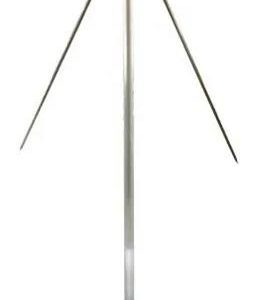
  • Axia Beach Tripod - 1.8m

    Axia Beach Tripod – 1.8m

    £37.99
  • Tronixpro Single Rod Tripod - 3 Slot

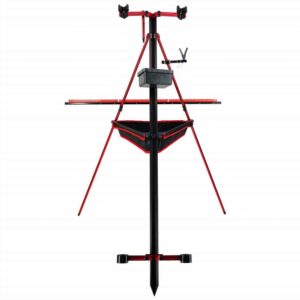
    Tronixpro Single Rod Tripod – 3 Slot

    Price range: £69.99 through £80.99
    This product has multiple variants. The options may be chosen on the product page
  • Tronixpro Match Combo Tripod

    Tronixpro Match Combo Tripod

    Price range: £179.99 through £259.99
    This product has multiple variants. The options may be chosen on the product page
  • Ian Golds Standard 6ft Tripod

    Ian Golds Standard 6ft Tripod

    £46.99
    This product has multiple variants. The options may be chosen on the product page
  • Dennett 6FT double Tripod

    Dennett 6FT double Tripod

    £39.99
  • Sunset Tripod Sunpod 120

    Sunset Tripod Sunpod 120

    £24.99
  • Kali Kunnan 1.25 Meter Sand Spike

    Kali Kunnan 1.25 Meter Sand Spike

    £19.99

Sea Fishing Tripods — Gerry’s Fishing

Why a tripod matters for sea fishing.

A good sea tripod keeps your rod tip clear of breaking waves, makes bites easier to see and frees your hands for baiting, landing fish and managing multiple rods. Tripods are essential for beach and shore anglers who fish heavy beachcasters or multiple rods for long sessions, because they combine visibility, stability and portability.

Key features to look for

  • Adjustable legs and height range — independently adjustable legs let you level the tripod on shingle, sand or rock and set the rod tip height for line clearance and bite visibility.
  • Sturdy head and rod support — twin‑head or single‑head options with padded rests or V‑grooves protect blank tips and prevent slippage.
  • Corrosion‑resistant materials — aluminium or treated steel frames with sealed fittings resist saltwater corrosion and extend service life.
  • Portability and pack size — lightweight, quick‑fold designs make it easy to carry long walks to favoured marks; look for compact folded length and secure carry clips.
  • Accessory compatibility — trace bars, bait trays and rod guards add functionality for multi‑rod setups and bait handling.

Types and use cases

  • Lightweight beach tripods — ideal for long walks and single‑rod sessions where portability is key.
  • Heavy‑duty shore tripods — wider bases and reinforced heads for big beachcasters and windy conditions.
  • Twin‑head and conversion tripods — let you run two rods or convert between single and double rod setups for flexibility on the bank.
  • Specialist tripods — extra‑wide or tall models for high tide marks and uneven ground where extra clearance is needed.

Buying tips from Gerry’s Fishing

Match tripod size to your rod and venue: choose a taller, heavier tripod for big beachcasters and exposed marks; pick a compact model for short sessions and tight access. Check leg locks and head fittings for corrosion protection and ease of adjustment — these are common failure points on saltwater gear. Test folded length and weight if you walk long distances to your swim.


Frequently asked questions

Q: Do tripods work on soft sand and shingle?
A: Yes — tripods with independently adjustable legs and wide feet give the best stability on soft or uneven ground.

Q: Can I use a tripod for two rods?
A: Twin‑head tripods or tripods with conversion heads let you run two rods; ensure the base is wide enough to remain stable in wind.

Q: What maintenance keeps a tripod lasting?
A: Rinse with fresh water after salt exposure, dry thoroughly and lubricate leg locks; inspect head fittings and replace corroded parts promptly.

Q: Which tripod height is best for beachcasting?
A: A height range that clears breaking waves and lets you see the tip is ideal — many anglers prefer tripods that extend to 1.5–2.0 m for exposed marks.

Original Product

100% Original product that covered warranty by the vendor.

30 Days Warranty

You have the right to return your orders within 30 days.

Global Shipping

Your orders are shipped seamlessly between countries.

100% Secure

Your payments are secure with our private security network.

Sea Fishing Tripods — Gerry’s Fishing

Why a tripod matters for sea fishing.

A good sea tripod keeps your rod tip clear of breaking waves, makes bites easier to see and frees your hands for baiting, landing fish and managing multiple rods. Tripods are essential for beach and shore anglers who fish heavy beachcasters or multiple rods for long sessions, because they combine visibility, stability and portability.

Key features to look for

  • Adjustable legs and height range — independently adjustable legs let you level the tripod on shingle, sand or rock and set the rod tip height for line clearance and bite visibility.
  • Sturdy head and rod support — twin‑head or single‑head options with padded rests or V‑grooves protect blank tips and prevent slippage.
  • Corrosion‑resistant materials — aluminium or treated steel frames with sealed fittings resist saltwater corrosion and extend service life.
  • Portability and pack size — lightweight, quick‑fold designs make it easy to carry long walks to favoured marks; look for compact folded length and secure carry clips.
  • Accessory compatibility — trace bars, bait trays and rod guards add functionality for multi‑rod setups and bait handling.

Types and use cases

  • Lightweight beach tripods — ideal for long walks and single‑rod sessions where portability is key.
  • Heavy‑duty shore tripods — wider bases and reinforced heads for big beachcasters and windy conditions.
  • Twin‑head and conversion tripods — let you run two rods or convert between single and double rod setups for flexibility on the bank.
  • Specialist tripods — extra‑wide or tall models for high tide marks and uneven ground where extra clearance is needed.

Buying tips from Gerry’s Fishing

Match tripod size to your rod and venue: choose a taller, heavier tripod for big beachcasters and exposed marks; pick a compact model for short sessions and tight access. Check leg locks and head fittings for corrosion protection and ease of adjustment — these are common failure points on saltwater gear. Test folded length and weight if you walk long distances to your swim.


Frequently asked questions

Q: Do tripods work on soft sand and shingle?
A: Yes — tripods with independently adjustable legs and wide feet give the best stability on soft or uneven ground.

Q: Can I use a tripod for two rods?
A: Twin‑head tripods or tripods with conversion heads let you run two rods; ensure the base is wide enough to remain stable in wind.

Q: What maintenance keeps a tripod lasting?
A: Rinse with fresh water after salt exposure, dry thoroughly and lubricate leg locks; inspect head fittings and replace corroded parts promptly.

Q: Which tripod height is best for beachcasting?
A: A height range that clears breaking waves and lets you see the tip is ideal — many anglers prefer tripods that extend to 1.5–2.0 m for exposed marks.